Louisiana AC Install
Profile view of a bearded man wearing a dark green baseball cap and a dark gray T-shirt against a plain light background.

Is a variable-speed AC worth it in Louisiana

Step 1 of 3: Equipment

Is a variable-speed AC worth it in Louisiana?

You're looking at a variable-speed AC and wondering if the extra cost makes sense here, where the air conditioner runs for most of the year and the air outside is thick with moisture most of that time. You want to know if it actually keeps the house more comfortable or if it's just a more expensive way to cool the same air.

Yes, especially for how long your AC runs here

A variable-speed AC runs at low speed most of the time instead of switching fully on and off like a standard unit. That matters in Louisiana because the compressor stays running longer at a gentler pace, which pulls more moisture out of the air than a unit that shuts off as soon as the thermostat is satisfied. Humidity is what makes a house feel sticky even when the temperature reads fine, and a variable-speed system handles that better than a single-speed or two-stage one. Since power here is cheap, the running cost of that longer cycle time matters less than it would somewhere with high electric rates. For a household trying to keep everyone comfortable through a long, humid season, that steadier dehumidifying is the real benefit, more than the energy savings alone.

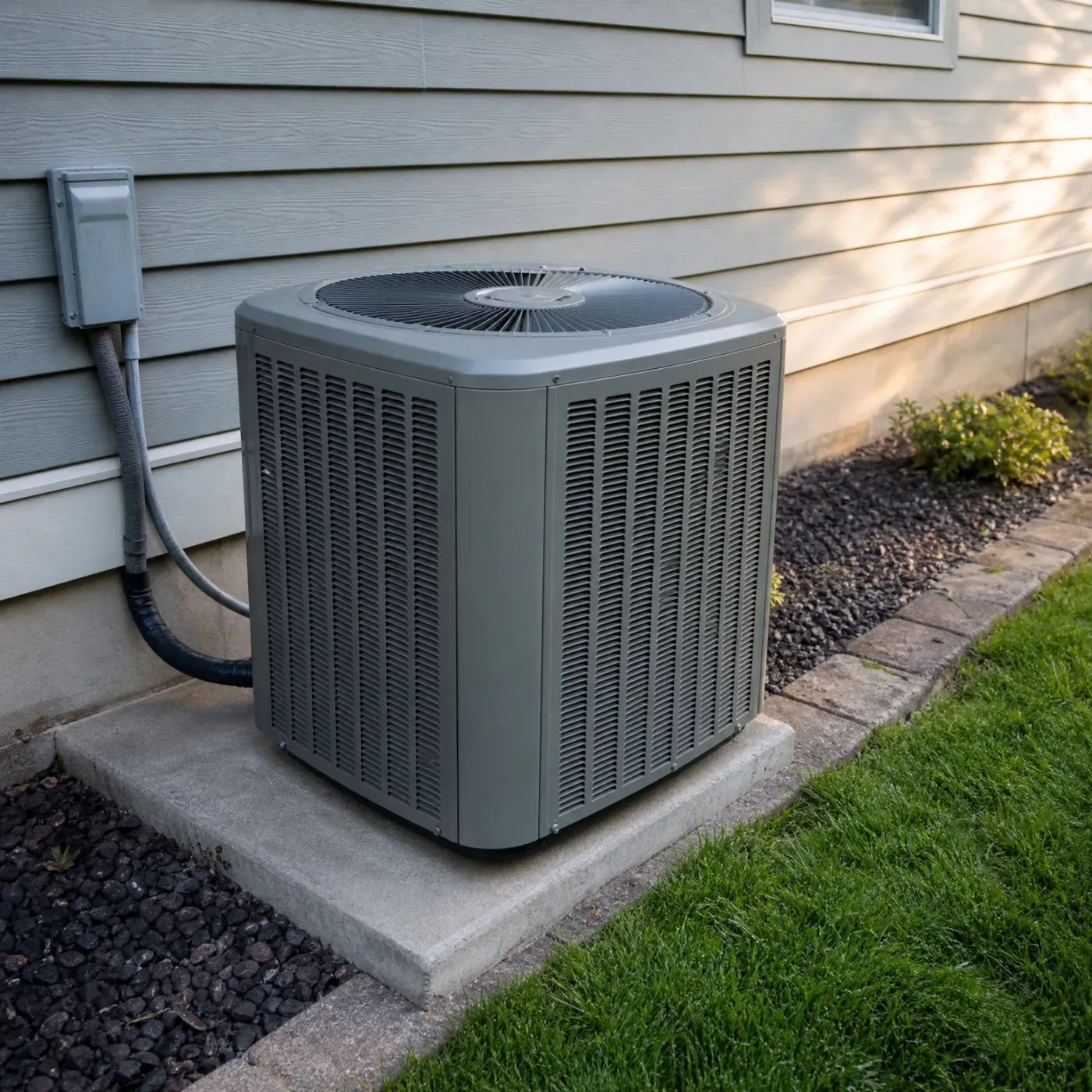
A gray outdoor air conditioner condenser unit on a concrete pad beside a house with horizontal lap siding, with a wall-mounted disconnect box and conduit, mulch bed, shrub, and lawn nearby.

Single-speed AC

A single-speed unit runs at full blast or not at all. It cools the house fast, shuts off, then starts again once the air warms up. Each cycle it has to work through before it settles into removing moisture well, so on a muggy day the air can feel damp even with the house at the temperature you set.


An outdoor air conditioner condenser unit sits on a gray pad beside a light vinyl-sided wall, on a concrete slab next to a gravel bed.

Variable-speed AC

A variable-speed unit ramps up and down instead of switching on and off. It can run low and steady for hours, pulling moisture out of the air the whole time instead of in short bursts. In Louisiana humidity, that steadier run is what a lot of homeowners notice most.

A woman with dark hair in a bun wearing a cream knit sweater sits on a gray sofa in a bright living room, looking off to the side.
A woman wrapped in a knit blanket sits on a gray sofa in a living room, looking toward a bright window with houseplants and an armchair in the background.
A woman in a gray cowl-neck sweater sits on a light sofa with cushions, smiling and looking to the side, with a kitchen and window visible behind her.
A woman with dark hair in a bun, wearing a light linen shirt, sits on a sofa and looks to the side, with a window, houseplants and a kitchen with pendant lights blurred behind her.

A variable-speed system spends most of its time running at a low speed, moving air slowly over the coil so it has time to wring the moisture out before that air ever reaches your living room.

That matters in Louisiana because the air coming through your vents feels drier at the same thermostat setting, and the unit can hold 74 or 75 degrees without the swings a single-speed system gives you between cycles.

An older woman with gray hair in a bun and glasses, wearing a beige knit sweater, smiles while looking to the side in a warmly lit kitchen, with a loaf of bread on the counter in the foreground and a snowy scene outside the window.
A woman and a child wrapped together in a knitted gray blanket on a couch, with the child's head resting on her shoulder and a lit table lamp and houseplant in the background.

How a variable-speed system runs

  • The compressor adjusts its speed using an inverter, so it matches output to the actual load instead of swinging between full blast and off.
  • A sensor on the indoor coil tracks how much moisture is in the air and signals the blower to slow down when humidity is high.
  • The outdoor unit ramps up in stages rather than jumping straight to full capacity, so the start-up draw on your electrical system is lower.
  • Because the blower moves air slowly across the coil most of the time, the coil stays colder for longer and pulls more water out of the air.
  • A single-speed system only has two settings, on and off, while a variable-speed system can run anywhere between about 25 and 100 percent of its capacity.
  • The thermostat communicates with the outdoor unit continuously, telling it to speed up or slow down as the temperature in the house drifts.

The compressor inside a variable-speed system is run by an inverter, a control that lets it speed up or slow down instead of just switching on and off. Most of the time it sits at a low speed, moving just enough refrigerant to match the heat coming into the house. When the thermostat calls for more cooling, it doesn't jump straight to full output. It ramps up in steps, which is also why the draw on your electrical system at start-up is lower than a single-speed unit pulling full power all at once. The indoor side works the same way. A sensor on the coil reads how much moisture is in the air passing over it, and when that number is high, it tells the blower to slow down. A slower blower means the air sits on the coil longer, so the coil stays colder and pulls more water out of the air before it ever reaches a room where someone's sitting. A single-speed unit only has two settings, on and off. A variable-speed one can run anywhere from around a quarter of its capacity up to full, and the thermostat is in constant contact with the outdoor unit, telling it to nudge up or down as the temperature in the house drifts a degree in either direction. It's a different way of keeping a house cool than cycling a compressor on and off all day.

A gray outdoor air conditioner condenser unit sits on a concrete pad beside a house with horizontal lap siding, with conduit and an electrical disconnect box on the wall, dark mulch and a shrub to the left, and a concrete walkway in the foreground.
A variable-speed AC that's sized and installed right keeps running quietly in the background, holding the house steady through a Louisiana summer.
An outdoor air conditioning condenser unit on a concrete pad beside a house with horizontal lap siding, with a shrub and mulch bed to the left and conduit and a small electrical box on the wall to the right.
A single-speed unit nearing the end of its life starts short-cycling and leaving the house damp between runs, a sign it's working harder for less.
  1. The thermostat calls for cooling as the room warms a few degrees

  2. The inverter spins the compressor up at low speed to start

  3. Refrigerant moves slowly through the coil so moisture has time to condense

  4. The blower matches its speed to the compressor's output

Power costs 12.52 cents per kilowatt-hour statewide

At 12.52 cents a kilowatt-hour, every hour your AC spends running full blast and cycling off costs more than the slow, steady hours a variable-speed system runs instead. Since power here is already cheap, the gap shows up less in the bill and more in how even the house feels while it keeps the air moving.

EIA-861 2025 statewide residential average

A dim bedroom with a box fan sitting in an open double-hung window, sunlight streaming through the hazy air onto an unmade bed in the foreground.

You're up in the bedroom at the end of the day, the box fan turned toward the bed, pulling at air that doesn't move much on its own. It's June, past seven, and the window's still warm to the touch. Downstairs the AC kicks off, the house goes quiet for a second, and the heat just sits back down on the room like it never left. The sheets feel damp before anyone's even under them. You can hear the unit outside start back up a few minutes later, that same hard shove of cold air, gone again almost as soon as it came. The fan keeps turning. The room stays thick.

Get the right pro for your air conditioner

You've read the trade-offs by now. A variable-speed AC costs more going in, and in Louisiana that cost buys comfort more than it buys savings, since power here stays cheap and the bigger difference shows up in how dry the house feels, not how small the bill gets. If your current unit is cycling hard and leaving the house sticky between runs, that's the sign worth acting on, more than any number on a spec sheet. What it comes down to is whether you want a system that runs quiet and steady through a Louisiana summer, or one that's always catching up. Sizing and installation decide which one you get. A unit that's wrong for your house won't deliver what the spec sheet promises, no matter how good that sheet looks. Getting that part right takes someone who can look at your house, not just the number on the box.

An outdoor air conditioner condenser unit on a concrete pad beside a house with light horizontal siding, with a small electrical disconnect box on the wall, mulch and shrubs at left, and a plain white wall and concrete slab at right.

When a single-speed unit still makes sense

If you're replacing a unit that failed early, or the house is small and well-shaded, a single-speed AC costs less to put in and will still cool the place. Not everyone needs the extra step. A single-speed system paired with a thermostat that doesn't run it too hard can keep a smaller home livable through summer without the added expense of an inverter-driven compressor.

A dark gray outdoor air conditioner condenser unit on a concrete pad beside a house with horizontal siding and a plain light wall, with mulch and grass in the foreground and a conduit and electrical box on the wall.

When the extra cost earns its keep

A bigger house, tall ceilings, lots of glass facing the sun, or a household that's home most of the day with the AC running nearly nonstop, those are the situations where variable-speed shows what it can do. The system spends more hours actually working in them, so the steadier humidity control and quieter operation get used instead of sitting idle most of the year.

Why does the house feel damp even when it's cool?

Walk through your house in August and check how things feel, not just the thermostat number. Sheets feel cool and slightly damp when you pull back the bed. Wood doors stick in their frames. A musty smell sits in closets and the bathroom, even after you've cleaned. These are signs the AC is cooling the air but not drying it out, which happens when a single-speed unit shuts off as soon as the temperature drops, before it's had time to pull the moisture down too. Left alone through a few more summers, that extra moisture gives mold and mildew what they need to take hold in closets, under sinks and along baseboards, and it means the people in your house are breathing damp air on the nights it matters most.

An outdoor air conditioner condenser unit on a gray composite pad beside a house with horizontal siding, a concrete foundation, a basement window, and a conduit and disconnect box on the wall.
Before you get your air conditioner installation
A gray outdoor air conditioning condenser unit on a concrete pad beside a house with horizontal lap siding and a stone veneer base, with a disconnect box and conduit on the wall, mulch bed and shrub to the right, and mowed grass in the foreground.
After you get your air conditioner installation

Variable-Speed vs. Single-Speed AC

Variable-speed

  • Costs more up front, and in Louisiana that money buys comfort more than it buys a smaller power bill.
  • Runs long and slow most hours, so the air crossing your coil has time to give up its moisture before it reaches the vents.
  • Stays quiet in the background instead of kicking on and off, so the house holds a steadier temperature room to room.
  • Needs a contractor who sizes it to your house, since an oversized system never settles into the low speed where the moisture removal happens.
  • Parts and service for the inverter and controls can be harder to find than for a single-speed unit, depending on who installed it.

Single-speed

  • Costs less to install, which matters if the house is small, well-shaded, or you're replacing a unit that failed early.
  • Runs at full blast until the thermostat is satisfied, then shuts off completely, rather than easing into a low speed.
  • Cools the air fast but doesn't dwell on it, so the house can feel cool on the thermostat while the air still feels thick.
  • Cycling on and off repeatedly is normal for this kind of unit and doesn't mean something is wrong with it.
  • Simpler parts mean most contractors can service it without much trouble, which can matter years down the line.
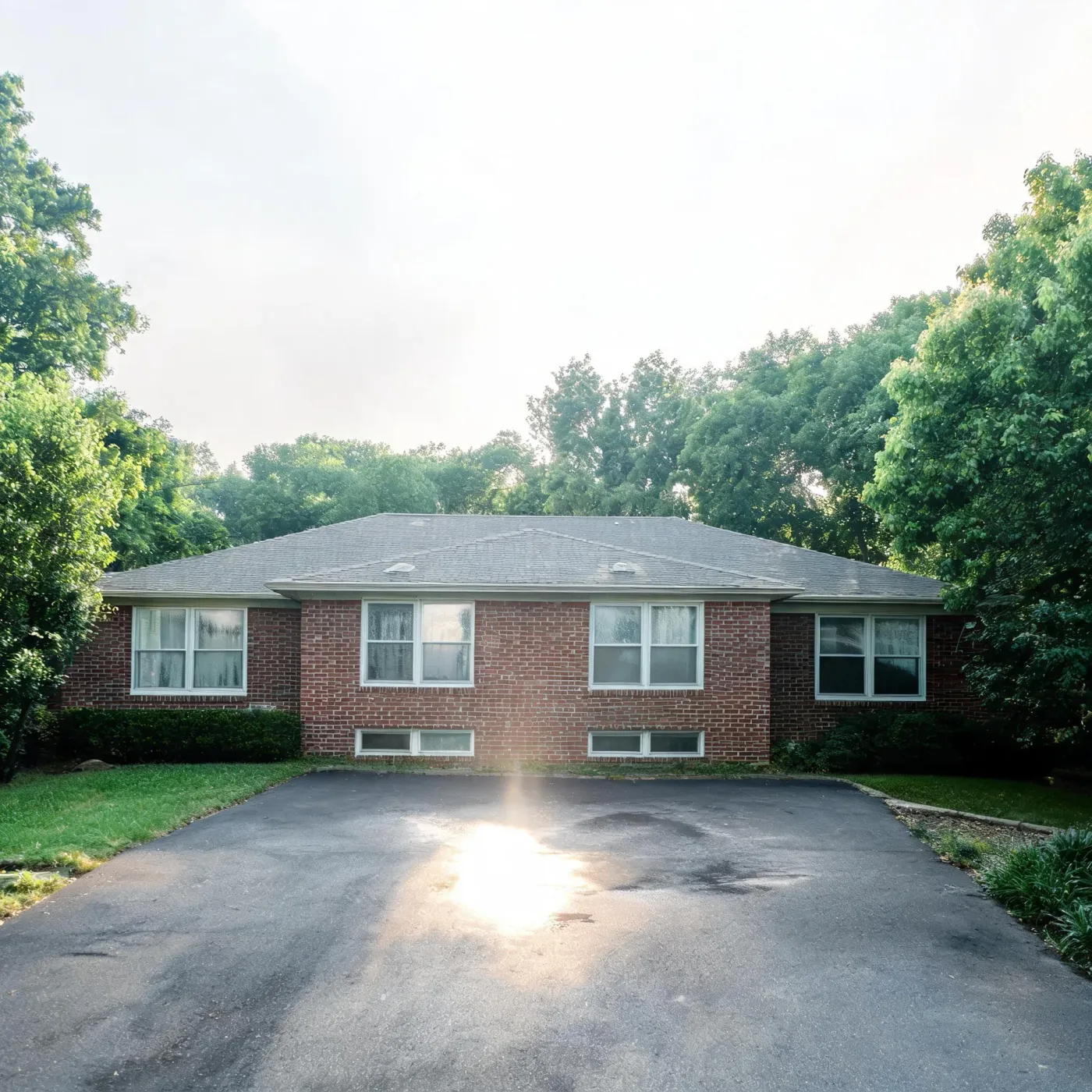
A single-story brick ranch house with a gray shingled hip roof, white-framed windows and basement windows, fronted by a wide asphalt driveway with sun glare, surrounded by green lawn and leafy trees under a bright hazy sky.

A 73°F summer dew point is what's behind all of this. Below 60, air feels dry. Past 70, it feels wet against your skin no matter what the thermostat says, and Louisiana sits well past that line all summer. That's the moisture load your air conditioner is up against every time it runs, not just the heat. A single-speed unit cools the air fast and shuts off before it's pulled much of that moisture out, so the house keeps feeling heavy. A variable-speed system runs longer at low speed and gets more of it out of the air. Source: NOAA climate normals.

NASA POWER T2MDEW county cells weighted by homes

A variable-speed AC is worth it for most houses in Louisiana, because the extra cost up front buys dry, steady air instead of the swing between cold and sticky that a single-speed unit gives you. If your house is small, well-shaded, or you're working with a tight budget, a single-speed unit still gets the job done. Either way, the right call depends on your house, your ductwork, and what unit you're replacing, which is why it helps to get someone out to look at your setup rather than guess from a list online. Once you send in the details, you're done with the legwork. A contractor who knows Louisiana humidity will reach out, walk your place, and tell you straight whether the variable-speed system earns its keep in your house or whether your money is better spent elsewhere. You don't have to track anyone down or sit on hold. That part is off your plate now.

A gray outdoor air conditioning condenser unit on a concrete pad beside a house with horizontal lap siding, with a wall-mounted disconnect box and conduit, lava rock mulch, a shrub, and grass nearby.

A pro who works on air conditioners

Hand off my installation

One request ends the search for an air conditioner installer.

No fee to send it, and nothing to sign.