






Louisiana AC Install
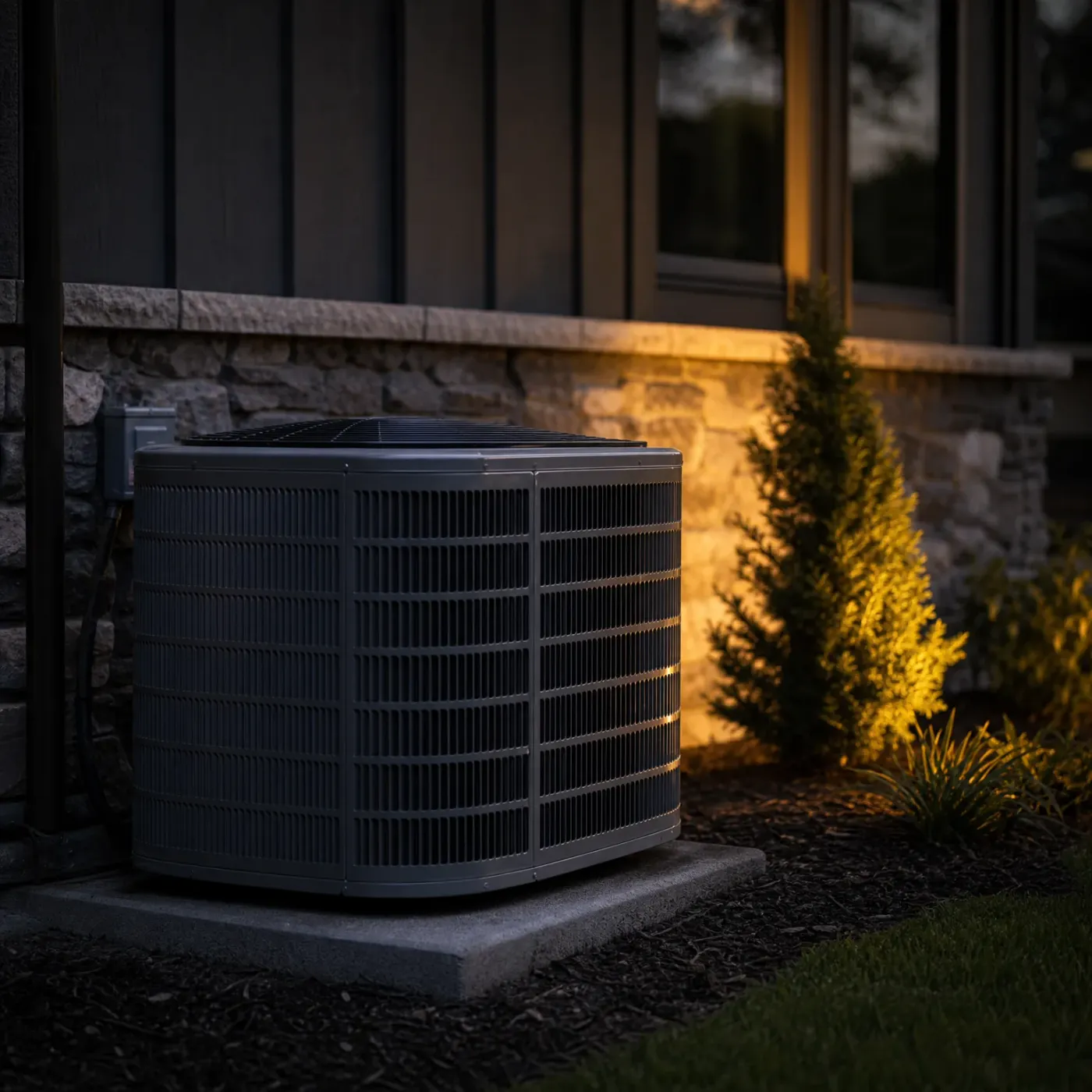
An outdoor air conditioning condenser unit on a concrete pad beside a house with stone veneer and vertical board siding, with a small shrub and mulch bed lit by a ground light at dusk.

A local pro for your air conditioner installation

Central AC or mini split for a Louisiana home

Central air and mini splits both cool a Louisiana home through a long, humid summer, but they do it differently, and the right call depends on your ductwork, your layout and what you already have to work with. This page walks through how each one handles the heat and humidity here. A local contractor who installs both can look at your house and tell you which one fits.

Find my pro

Most Louisiana homes already have ducts, so central air is the straightforward choice when the old system fails. It cools the whole house evenly and keeps the humidity down room to room, which matters here as much as the temperature does. A mini split earns its place where ducts don't reach, a converted garage, a sunroom, an addition built after the ductwork went in, or a house that never had ducts at all. It cools that one space well without the cost of running new ductwork through walls and attic to get there. Mini splits also let you cool just the room you're using, which some homeowners like for a space that sits empty most of the day. If your ducts are in good shape, central air is usually the simpler path. If they're not there, or not reaching a space you actually use, a mini split fills that gap on its own terms.

A gray outdoor air conditioner condenser unit on a concrete pad beside a house corner with lap siding and a stucco wall, surrounded by mown green grass.

What ductwork already costs you

Central air depends on sealed, sized ductwork to push cold air evenly through the house. Leaky or undersized runs lose cooled air into the attic before it reaches the room, so the system runs longer to hit the same temperature. If your ducts came with the house and haven't been checked, that loss is already baked into your summer bill, and a new condenser on old ducts won't fix it.

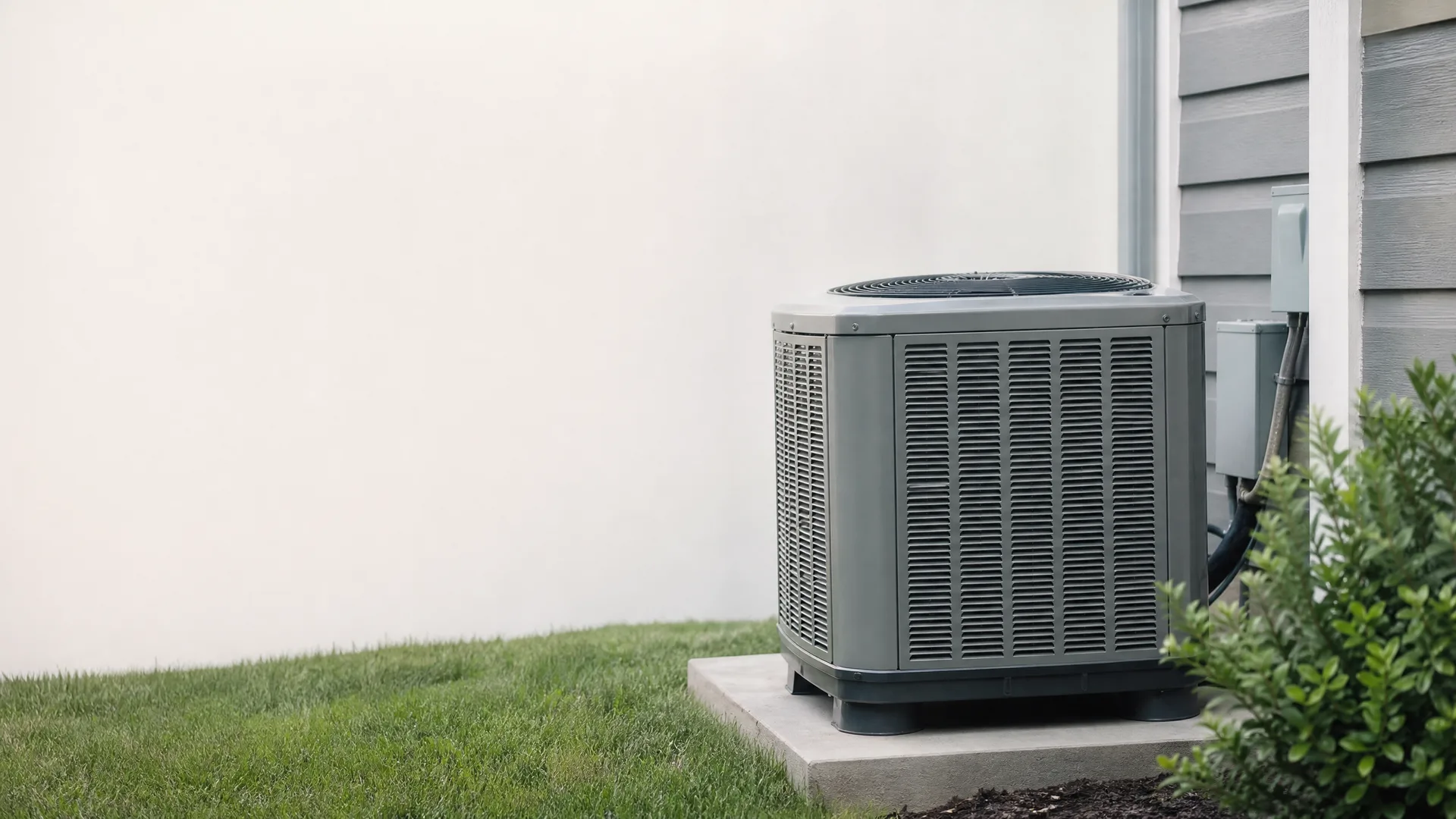
An outdoor air conditioning condenser unit on a concrete pad beside a house with light stucco and lap siding, with mown grass to the left and a green shrub to the right.

How a mini split handles one room

A mini split sends refrigerant straight from the outdoor unit to a wall-mounted head in the room, with no ductwork in between. Each head has its own thermostat, so a sunroom or a converted garage that runs hotter than the rest of the house can be set colder without overcooling the bedrooms. That makes it a fit for an addition or a room a central system never reached well.

How does a mini split actually dehumidify compared to central air?

You've heard a mini split can leave a room feeling clammy even when the temperature reads fine, and you want to know if that's really different from how your central air handles the humidity in a Louisiana summer. It's a fair thing to ask before you commit either way.

Central air pulls more moisture out per hour it runs; a mini split pulls moisture out more steadily

Central air cools the whole house to one thermostat setting, so it cycles on, runs long enough to drop the temperature, and pulls a lot of humidity out of the air in that one run. A mini split works differently. Its compressor can slow down and run at low speed for hours instead of shutting off, which means it keeps pulling moisture out the whole time rather than just during short bursts. In a bedroom or a sunroom that runs humid all day, that steady low-speed operation can hold the air drier than a system that's cycling on and off. Where central air wins is consistency room to room, since one duct system is feeding all of them at once.

An older woman with gray hair in a cream knit sweater sits under a blanket on a sofa by a window, looking outside toward yellow-leaved trees, with a lamp, shelves and an armchair in the room behind her.
A gray-haired woman in a chunky knit sweater sits in an armchair with a blanket, looking out a window at yellow autumn foliage, with bookshelves and a potted plant behind her.
A gray-haired woman in a navy sweater sits in an armchair with a knit blanket beside a window, looking out at yellow autumn foliage, with a dining table and houseplant in the room behind her.
A gray-haired woman in a gray cowl-neck sweater sits in an armchair with a blanket, looking out a dark-framed window toward yellow autumn trees.

Is your AC keeping up this summer, or just running longer?

You notice it on the muggy afternoons. The air from the vents feels cool enough, but the house still feels damp, and the unit runs almost nonstop trying to catch up. Maybe one room, the add-on or the bonus room over the garage, never gets as cold as the rest no matter what the thermostat says. Or the ducts in the attic have gone soft and sagging in spots, and you can feel warm air leaking in around the register boots. None of that is dangerous by itself, but a system working that hard season after season wears out its parts faster, and the room that stays warm and damp is the one where mold gets a foothold.

A dim bedroom with a bed covered in gray bedding, a cast-iron radiator against the wall, and sunlight entering through a window fitted with a box fan and a sheer curtain, with green trees outside.

The box fan has been on since six. It pushes the heat around more than it moves it out. You're lying on top of the sheets, upstairs, and the room still holds the day in it, the kind of thick June air that doesn't let go once the sun's down. Somewhere below, the central air is running, you can hear it kick on again, but up here it never quite catches up. The vent in the corner puts out cool air, you checked it with your hand an hour ago, it just doesn't reach you fast enough or stay long enough to matter. A contractor who works on this kind of layout every summer would know the question isn't whether the system runs. It's why this room never gets what the rest of the house gets.

Get the right pro for your air conditioner

One installer gets your project, so there's no bidding war over it.

There's no charge for the request.

If your ductwork is sound

Central air is the easier call when the ducts running through your attic are sealed and sized right. A contractor can swap the condenser and air handler without touching a wall, and the house cools the way it always has, every room getting air off the same system. You're not adding anything new to maintain, just replacing what wore out. If your current system has kept the upstairs and downstairs close in temperature, that's a sign the ducts are doing their job, and there's no reason to move away from a setup that's already working for your house.


If a room never cools right

A mini split makes sense when one part of the house fights the rest of it. A sunroom, a converted garage, an upstairs bedroom that stays warm no matter what the thermostat says. Instead of asking ductwork to push harder into a room it was never sized for, a mini split handles that space on its own, with its own setting. It won't fix humidity for the whole house, and it won't replace central air for the rooms that already cool fine. It solves the one room that doesn't, without rerouting ducts to get there.

A woman in a cream knit sweater sits in an armchair with her eyes closed and a slight smile, beside an open window showing orange autumn foliage, with a mug, books and a lit candle on a small side table.
An older man with gray hair and a beard leans back on a beige sofa with his eyes closed, in a sunlit room with potted plants, a wicker chair and large windows behind him.
A gray outdoor air conditioning condenser unit on a concrete pad beside a house with horizontal siding and a stone veneer base, with a wall-mounted disconnect box and conduit, next to a shrub bed and a concrete patio.

Working system, no strain

A condenser like this one running on a normal summer day cycles on, cools the house, and shuts off. The pad is clean, the disconnect box is intact, and nothing around the unit blocks airflow. That's what lets it hold up through a long Louisiana summer.

An outdoor air conditioner condenser unit on a concrete pad beside a house with light gray vinyl siding, with a gray electrical disconnect box and conduit on the wall, gravel beds and dried plants nearby, and a concrete sidewalk in the foreground.

Aging unit, showing wear

Weathered housing, weeds growing in against the cabinet, a disconnect box that's seen better days. A unit this worn is working harder for the same cooling, and that shows up on your power bill before it shows up as a breakdown. This is when central air versus a mini split is worth weighing again.

A woman stands in the open doorway of a white stucco house holding the dark door, facing a man in a black cap and shirt seen from behind in the blurred foreground, with a potted flowering plant beside the entry.

What this decision looks like from your living room

If your attic ductwork is original to the house, a dying central system is doing more than struggling to cool. It's paying for leaks you can't see, month after month, and the rooms farthest from the air handler are the ones that show it first. A contractor who works on Louisiana homes all summer can tell from the vent pressure and the attic runs whether you're replacing equipment or fighting a duct problem, and knowing that before you sign off on anything changes what you're actually buying.

A mini split changes the math for one room without touching the rest of the house. The spare bedroom that's always ten degrees warmer, the sunroom nobody uses from June to September, the garage someone wants to turn into a workspace. Matching you with a local contractor who handles both systems means you get someone who looks at your actual rooms and your actual ducts before telling you which one solves your problem, not a sales call reading from a script.

Interior corner of a dining room with a round wooden table, a ceramic vase holding olive branches, a dark spindle-back chair near a curtained window, and a sideboard with a lamp against beige walls.
A single-story red brick building with a hipped shingle roof and several white-framed windows, fronted by a large empty asphalt lot with sun flare, surrounded by green trees under a bright hazy sky.

A summer dew point averaging 73°F is what makes Louisiana air feel heavy even when the thermometer isn't that high, according to NOAA records. Your air conditioner has to pull that moisture out of the air before the house feels cool, not just drop the temperature. That's extra work on top of cooling, and it's why a system can run and run and the house still feels damp, especially in a room the air doesn't reach well. A unit sized only for temperature, without enough capacity or runtime to also wring out that moisture, leaves you with cool air that still feels clammy on your skin.

NASA POWER T2MDEW county cells weighted by homes

A weathered outdoor air conditioner condenser unit on a concrete pad beside a house with horizontal vinyl siding, with a conduit and disconnect box on the wall to the right.
Before you get your air conditioner installation
A gray outdoor air conditioning condenser unit on a concrete pad beside a house with horizontal lap siding, with a conduit and electrical disconnect box on the wall and a green shrub in mulch to the right.
After you get your air conditioner installation
A gray outdoor air conditioner condenser unit on a concrete pad beside a house with horizontal lap siding, with a wall-mounted disconnect box and conduit at left and a green shrub and mulch bed at right.

This is the unit doing its job

The pad is clean, the conduit runs straight from the disconnect to the unit, and nothing is piled against it. Mulch and trimmed shrubs nearby aren't blocking airflow. A condenser set up like this can move air across the coil freely, which is most of the battle on a humid July afternoon.

An outdoor air conditioner condenser unit on a concrete pad beside a house with horizontal lap siding, with a conduit running to a gray electrical disconnect box on the wall.

This is the one that's about to cost you

Nothing looks broken here either, and that's the problem. A condenser against the siding with the retaining wall and shrub crowding one side can still be starving for airflow, or losing refrigerant slowly enough that you won't notice until the house stops cooling evenly.

Power costs 12.52 cents per kilowatt-hour statewide

At 12.52 cents a kilowatt-hour, running your AC hard through a Louisiana summer still shows up on the bill every month. A mini split that only cools the rooms you use can cost less to run than central air fighting leaky ducts to cool the whole house.

EIA-861 2025 statewide residential average

Your ducts point the way

  • If your attic ducts are sealed and sized right, swapping in a new central system is the straightforward path.
  • If one room or an addition never cools right no matter what the main system does, a mini split handles that room on its own.
  • A contractor who services Louisiana AC systems every summer knows which failures show up first in this humidity, from a weak capacitor to a clogged drain line.
  • Matching with one local, licensed contractor means a single visit and a straight answer about your ductwork, not competing bids from companies that never saw your attic.
  • Whichever way your ducts point you, the goal is the same: cooling that holds the humidity down room to room without the system running longer than it should.

The choice comes down to what's already in your attic. Sound, sealed ductwork means a new central system goes in the way the old one came out, and the whole house cools the way it always has. A room that's never kept up, or an addition the ducts never reached, is a different problem, and a mini split solves it without tearing into a wall to extend a duct run that was never sized for it. Neither path is a guess once a contractor has been up in the attic and seen what's actually there.

That's the part worth getting a local set of eyes on before you decide. Someone who works on Louisiana systems every summer has already seen what this humidity does to a weak capacitor or a drain line that backs up in July, and knows which symptoms point to the ducts and which point to the unit itself. When you get matched through this page, it's with one contractor, licensed and local, not a handful of companies bidding on a system they've never seen. That contractor looks at your attic, your ductwork, and the room that's giving you trouble, and tells you straight whether central air or a mini split is the better fit for your house.

Either way, the goal doesn't change. You want a system that pulls the moisture out of the air as well as the heat, room to room, without running longer than it has to just to get there.

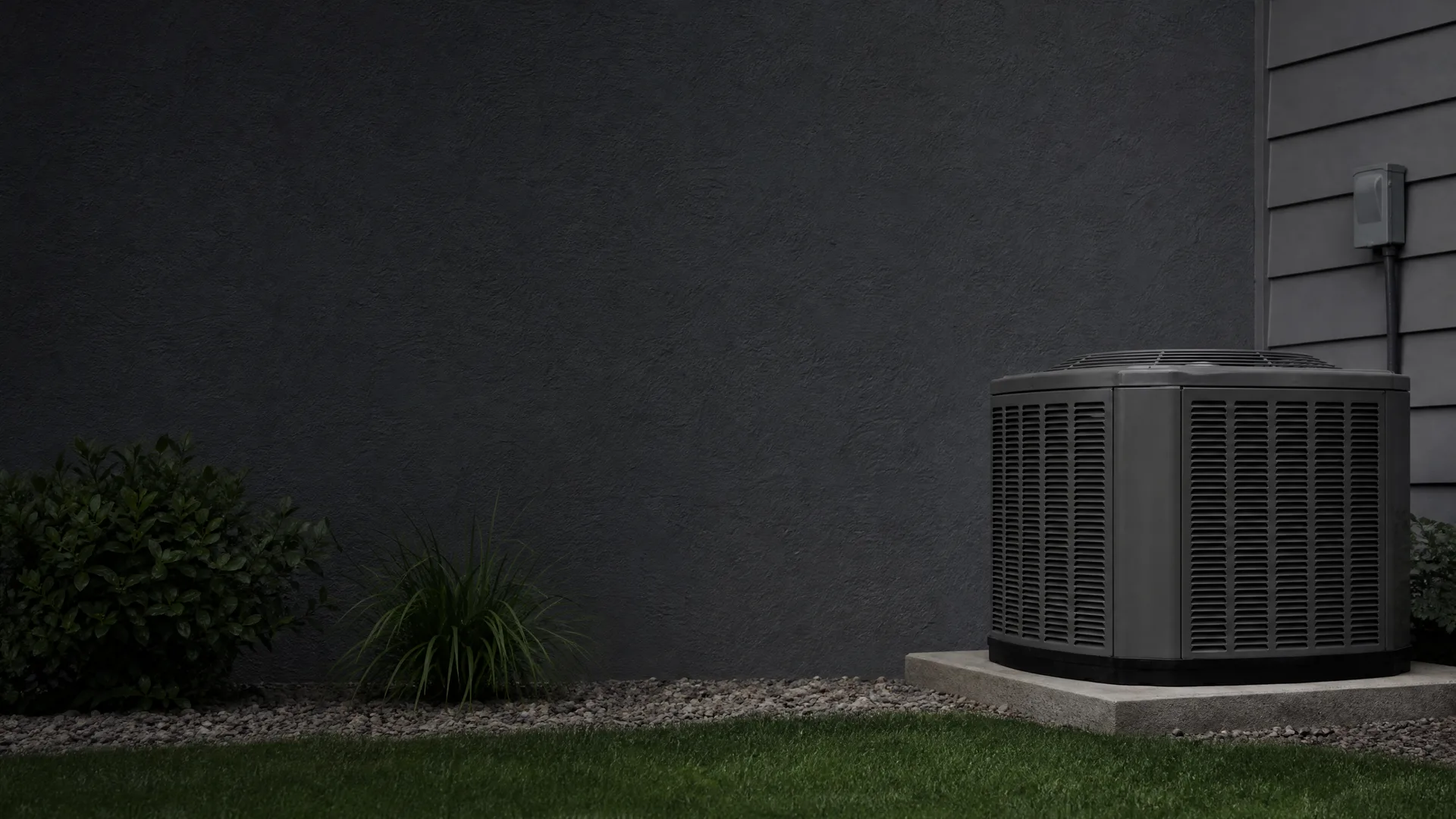
An outdoor air conditioning condenser unit on a concrete pad beside a dark stucco wall, with gravel bedding, shrubs, an ornamental grass clump, and a lawn in the foreground.

A pro who works on air conditioners

The pro who reaches out is licensed in Louisiana.

Step 1 of 3: Equipment